Cooking Methods
A guide to understanding dry heat, moist heat, and mixed methods, choosing the right technique, and controlling texture, juiciness, and flavor.
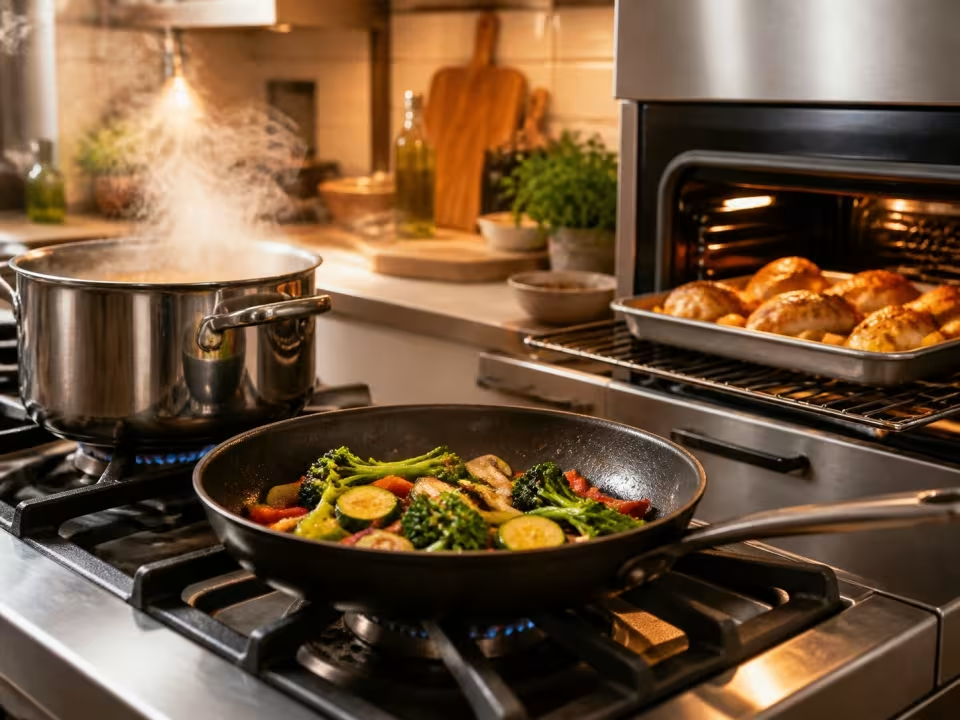
Cooking is not just about applying heat. Each method transfers energy in a different way and modifies the water, proteins, carbohydrates, and aromas of the food. Understanding these differences helps in choosing the right technique, repeating results, and correcting errors.
Before You Start: What Changes During Cooking
Heat can soften fibers, coagulate proteins, gelatinize carbohydrates, evaporate water, and create toasty aromas. The intensity and duration must be adapted to the size, composition, and initial tenderness of the ingredient.
The Most Useful Rule
Thinner pieces usually appreciate quick cooking; pieces with more connective tissue need time, moisture, or both. A thermometer and observation of the food are more reliable than cooking solely by eye.
Dry Cooking Methods
Uses hot air, metal, or fat and promotes browning on the surface. They work especially well when a flavorful crust and a juicy interior are desired.
Baking and Roasting
Hot air surrounds the food. Baking is associated with breads, vegetables, and moldable dishes; roasting aims to brown meats, fish, or vegetables. Preheat, allow space for air circulation, and avoid opening the oven unnecessarily.
Grilling and Pan-Frying
The food receives heat by contact. The surface should be hot, the piece relatively dry, and the pan not overcrowded. If too much water is released, the food will steam rather than brown.
Grilling and Barbecue
Radiation and contact with the grill provide toasting and smoky aromas. Adjust the distance from the fire, create a milder heat zone, and avoid letting fat keep flames directly on the food.
Sautéing
Short cooking time, high heat, and little fat. Ingredients are cut into regular pieces and moved frequently. Ideal for vegetables, strips of meat, seafood, and already cooked rice.
Frying
Hot fat transfers heat uniformly and quickly. Use a stable container, don't overfill it, and fry in batches to avoid a sudden drop in temperature and a satisfactory result.
Grilling
Intense heat from above for a short time. Suitable for toasting cheese, shredded bread, sauces, or the surface of a previously cooked dish. Requires constant supervision.
Moist Cooking Methods
Water, broth, or steam transfer heat without creating a dry crust. They allow uniform cooking and are useful for delicate foods or to preserve moisture.
Boiling
The liquid maintains visible agitation. Appropriate for pasta, some vegetables, eggs, and foods that require water movement. Excessive boiling can break delicate ingredients.
Cooking at a Low Heat
The liquid barely bubbles. Used for legumes, broths, soups, and pieces that need time. Reduces sudden evaporation and prevents components from breaking down.
Scalding
Delicate cooking in hot liquid, without strong boiling. Works with eggs, fish, fruit, or poultry. The liquid can be flavored and later turned into a sauce.
Cooking in Steam
The food does not touch the water; it is cooked with steam generated. Preserves shape well and avoids diluting flavor. Cut pieces similarly and do not lift the lid continuously.
Bain Marie
A container is heated indirectly inside another with water. Softens and stabilizes heat in molds, creams, terrines, chocolate, or sensitive sauces.
Papillote
The food is sealed and cooked with its own moisture. Useful for fish, vegetables, and fruits. Ingredients should have compatible cooking times, and the wrapper should be well sealed.
Mixed and Slow Cooking Methods
Combine initial browning with subsequent cooking in liquid. Build layers of flavor and transform firm cuts into tender preparations.
Brasading
Se brown a piece, add aromatics and a moderate amount of liquid, and cook covered slowly. Suitable for large pieces of meat, firm birds, cabbage, or endive.
Stewing
The ingredients, generally diced, are cooked covered with little liquid and at a low temperature. Moisture is concentrated inside the container, and the sauce forms during the cooking process.
Sautéing
A broad term for dishes with sautéed onions, liquid, and progressive cooking. Can include legumes, potatoes, meat, fish, or vegetables. The key is to incorporate each ingredient according to the time it needs.
Reducing
Not a main cooking method, but an operation to concentrate a liquid through evaporation. Done uncovered and the salt point must be controlled, as it also concentrates.
Cooking at Controlled Temperature
Low Temperature
Uses moderate heat and longer times to achieve uniform cooking. Can be done in the oven or with specific equipment. Precision improves with a thermometer, and safe cooking times depend on the food, thickness, and temperature.
Canning
The food is cooked slowly submerged in fat, molasses, or another medium depending on the preparation. The goal is not to fry, but to apply gentle and constant heat. Onions, garlic, fruits, fish, and some meats benefit from this technique.
Cooking in Vacuum
The food is packaged and cooked in a controlled-temperature water bath. Provides regularity and reduces moisture loss, but requires knowing safe time, temperature, cooling, and preservation guidelines.
How to Choose the Right Method
| Objective | Recommended Method | Main Control |
|---|---|---|
| Brown a tender piece | Grilling, roasting, or sautéing | Dry surface, high heat, and short cooking time |
| Soften a firm piece | Brasading, stewing, or sautéing | Time, moisture, and low heat |
| Preserve shape and delicacy | Steaming, scalding, or papillote | Avoid strong boiling or excessive heat |
| Get a crispy crust | Baking, frying, or grilling | Stable temperature and minimal surface moisture |
| Concentrate a sauce | Reducing | Uncovered container and final salt adjustment |
Common Errors and How to Correct Them
- Overfilling the pan: cook in batches to allow steam to escape.
- Moving a piece too soon: wait for the crust to form and come off easily.
- Confusing boiling with low heat: regulate the heat after reaching the temperature.
- Cutting uneven pieces: equalize the size for them to cook at the same time.
- Not letting it rest: some meats, rice, and stews improve with a few minutes before serving.