Cutting and Preparation Techniques
Basic cuts, mise en place, safe knife use, and preparations that improve cooking, texture, and presentation.
A cut is not just decorative. The size and shape determine how long it takes to cook an ingredient, how it absorbs a sauce, and what texture it offers when eating it. Proper preparation organizes the work and allows cooking with more safety and precision.
Mise en place: Prepare before cooking
The expression means “put in place.” It involves reading the entire recipe, gathering ingredients and utensils, weighing, washing, chopping, and organizing each item according to when it will be used.
- Group ingredients that go together in the preparation.
- Separate raw foods from those that are ready to eat.
- Prepare the cleanest items first and end with raw meats or fish.
- Keep perishable products refrigerated until needed.
How to Use a Knife Safely
Stable Surface
Place a damp cloth or non-slip mat underneath. A moving board forces you to correct your gesture and increases the risk.
Sharp Blade
A well-sharpened knife requires less force and is easier to control. The bolster holds the blade; the sharpening recovers the angle when it has been lost.
Secure Grip
Hold the knife near the junction of the blade and handle. The other hand adopts a pincer shape, with the knuckles in front of the fingertips.
Timing Before Speed
Precision comes with repetitive movements. Keep the tip or blade profile in controlled contact with the board and don’t try to mimic professional speed.
The Right Knife
A chef’s knife handles most vegetables and meats; a smaller knife is useful for peeling and julienning; a slicer cuts bread, cakes, and ripe tomatoes without crushing them.
Basic Cutting Techniques for Vegetables
Julienne
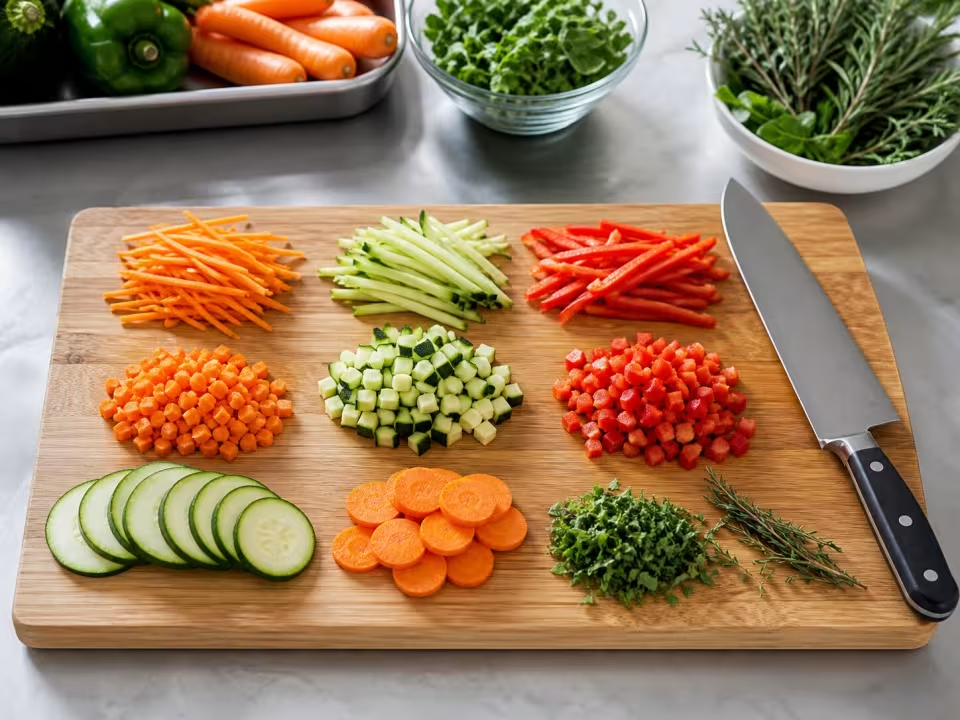
Thin, long strips. Used in onions, peppers, carrots, kale, and leaves. Facilitates quick cooking, sautéing, and salads.
Bastón
Thicker, more regular strips than julienne. The standard cut for fried potatoes, crudités, and roasted vegetables. Uniform thickness helps all pieces cook at the same time.
Brunoise
Very small dice obtained from regular strips. Used in fine sautés, vinaigrettes, stuffings, and garnishes where integration is desired.
Macedonia
Medium-sized dice, suitable for fruits, vegetables, salads, and garnishes. Should be comfortable to eat in one bite.
Mirepoix
Irregularly shaped, relatively thick vegetable pieces used to add flavor to stocks, roasts, and stews. As they usually sauté or puree, prioritize the surface contact over the final shape.
Paisana
Small, thin slices, often square or triangular, that cook quickly in soups and garnishes.
Chiffonade
Thin strips of leaves. Stack, roll without pressing, and cut transversely. Works with herbs, spinach, arugula, or lettuce.
Concassé
In tomatoes, usually involves boiling, peeling, removing seeds, and cutting the flesh into dice. Produces finer sauces and garnishes without skins or excess water.
Rodajas, Medias Lunas y Gajos
Common cuts, but also require regularity. Medias lunas stabilize round pieces; gajos preserve structure in onions, citrus, potatoes, and fruit.
Preparations that Change the Result
Boil
Submerge briefly in boiling water and, when you want to stop cooking, cool down. Facilitates peeling tomatoes, fixes color in some vegetables, and reduces intensity in certain foods.
Blanch
Short cooking before another technique to prepare the food. Can soften vegetables, clean bones, or reduce bitterness. The exact meaning varies depending on the ingredient.
Marinate
Rest in an aromatic mixture that may include fat, acid, salt, and spices. Adds flavor mainly to the surface; strong acids or excessive times can alter texture.
Macerate
Leave a food in contact with sugar, alcohol, juice, or spices to extract juices and aromas. Used especially with fruits, herbs, and sweet preparations.
Debone and Flake
Separate bones, spines, or portions following the anatomy of the food. Work with the right blade, a stable surface, and cold product for precision.
Grate, Chop, and Mash
Each action generates a different texture. Grating increases surface area; chopping homogenizes; mashing breaks it irregularly and can release oils and aromas, like in garlic or spices.
Meat and Fish: Direction and Temperature
Cut Against the Grain
In cooked meats, identify the direction of the muscle fibers and cut perpendicular to them. Shortening them makes the piece easier to chew.
Cut Cold
Firm and cold meat and fish are cut with more clarity. If a piece is too soft, a brief chilling can facilitate thin, regular slices without freezing it completely.
Remove Bones and Skin
Pinches help extract bones following their inclination. To remove skin, firmly support the fillet, create a grip tab, and slide the blade almost parallel to the board.
Prevent Oxidation and Texture Loss
Apples, pears, avocados, turnips, or potatoes darken when cut. Reduce exposure time, prepare close to serving, and use an acidic medium or cold water when it fits the recipe. Don’t keep all vegetables in water: some lose flavor or texture.
Choose the Cut According to Cooking
| Cooking Method | Useful Cut | Reason |
|---|---|---|
| Quick Sauté | Julienne, thin slices, or small dice | Greater surface area and quick cooking |
| Roast | Strips, sticks, or medium-sized pieces | Char outside without drying before softening |
| Stew | Medium-sized dice or mirepoix | Resist time or yield flavor to the bottom |
| Cream or Puree | Similar-sized pieces | Soften uniformly before pureeing |
| Salad | Convenient cut to eat | Balance texture, seasoning, and bite size |
Hygiene and Cross-Contamination
- Wash hands, surfaces, and utensils when changing from raw to ready-to-eat foods.
- Don’t wash raw meat or poultry: splatters can spread microorganisms throughout the kitchen.
- Use separate boards or clean them thoroughly between products.
- Don’t return cooked food to the plate that contained the raw product.
- Wash fruits and vegetables under running water before cutting, even if you plan to peel them.