Ir al contenido
AceiteySal
Search
Nutrients and labels

How to Read a Nutrition Label

A four-step read to compare products without being swayed by claims on the packaging.

✓ By the AceiteySal editorial team · Reviewed on 30 July 2026
Reading a nutrition information label

The label is mainly for comparing similar products. It's not necessary to decide if a food is “good” or “bad” from just one number.

Four Steps

  1. Real food name: clarifies which product you are buying.
  2. Ingredients list: appears in order of decreasing quantity.
  3. Nutritional values per 100 g or 100 ml: facilitate comparing brands.
  4. Typical serving: contextualizes what you actually consume.

Claims That Need Context

“Natural”, “artisanal”, “fitness” or “no added sugar” do not summarize the product profile. “No added sugar” can contain naturally occurring sugars; check the entire food item.

The Best Shortcut

Compare two or three options in the same category and choose the one that best fits your goal, paying special attention to ingredients, salt, sugar, and saturated fats.
Sources Consulted

Can we improve this information? Tell us which information you think needs reviewing.

Suggest a correction →
The kitchen continues here

Follow AceiteySal

Fresh recipes and ideas for your menus. Follow us on your favourite network.

Discover new recipes, ideas for your menus and practical cooking tips. Choose where to follow us.

  • New recipes with an image and direct link
  • Useful ideas without unnecessary messages
  • On WhatsApp, other followers cannot see your number
Follow on WhatsApp
Good food is better shared

Share AceiteySal

Send a little cooking inspiration to someone you love.

AceiteySal EnglishWhatsApp channel
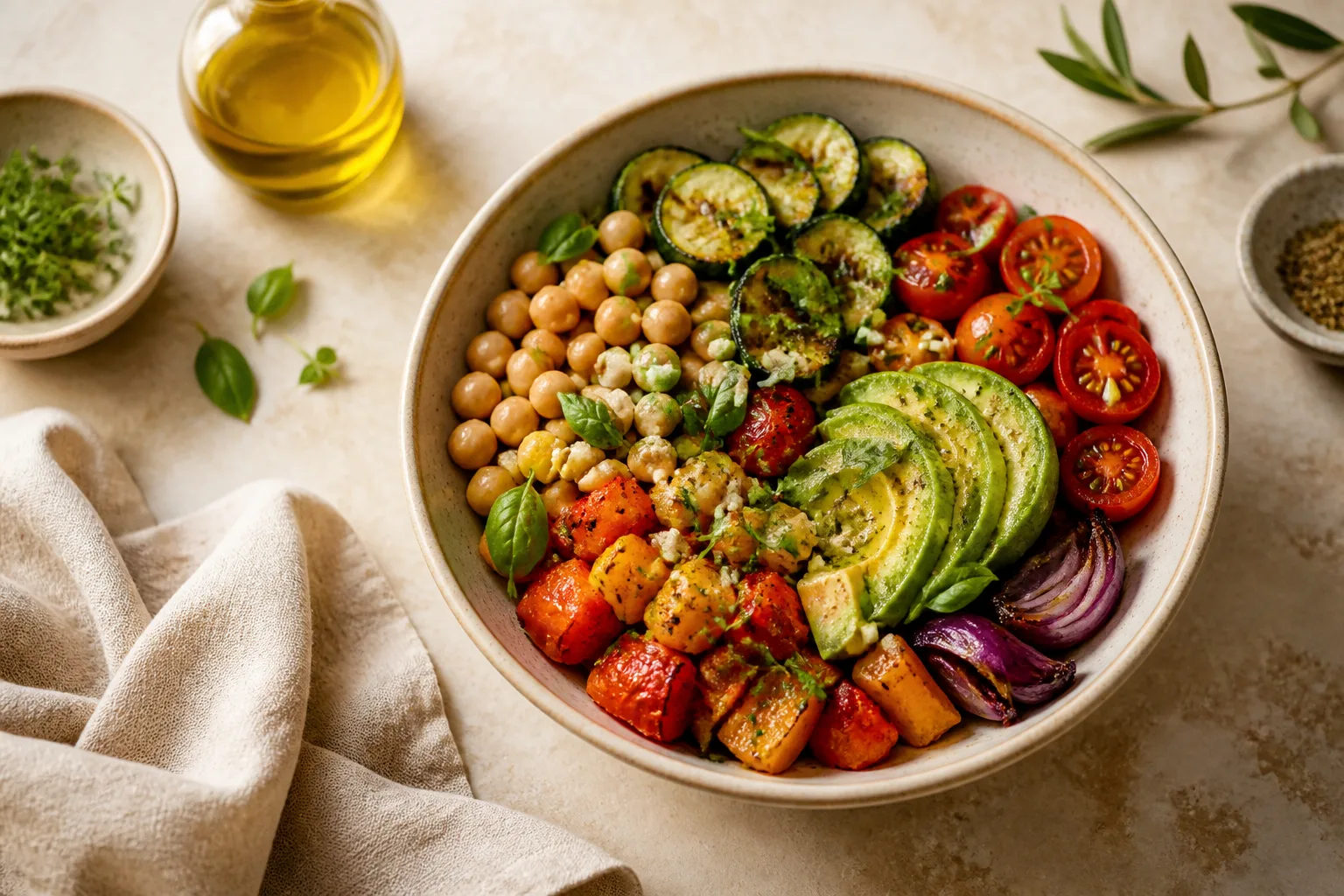
Mediterranean dish with vegetables, chickpeas and avocado
New recipe Fresh ideas for everyday cooking Clear recipes, appealing images and direct access to every step.
Instagram@aceiteysal.recetas
AceiteySal Instagram welcome post: everyday Mediterranean cooking