Aubergine
aubergine: a versatile vegetable that adds freshness, colour and texture to both raw and cooked dishes.
What it offers and why to use it
aubergine: a versatile vegetable that adds freshness, colour and texture to both raw and cooked dishes. Wash, dry and remove the inedible parts. Uniform cutting improves cooking; it can be eaten raw if appropriate, roasted, fried, steamed or stewed.
A flavour profile that changes with maturity and becomes sweeter and more concentrated when roasted or fried.
From shopping to cooking
Choose
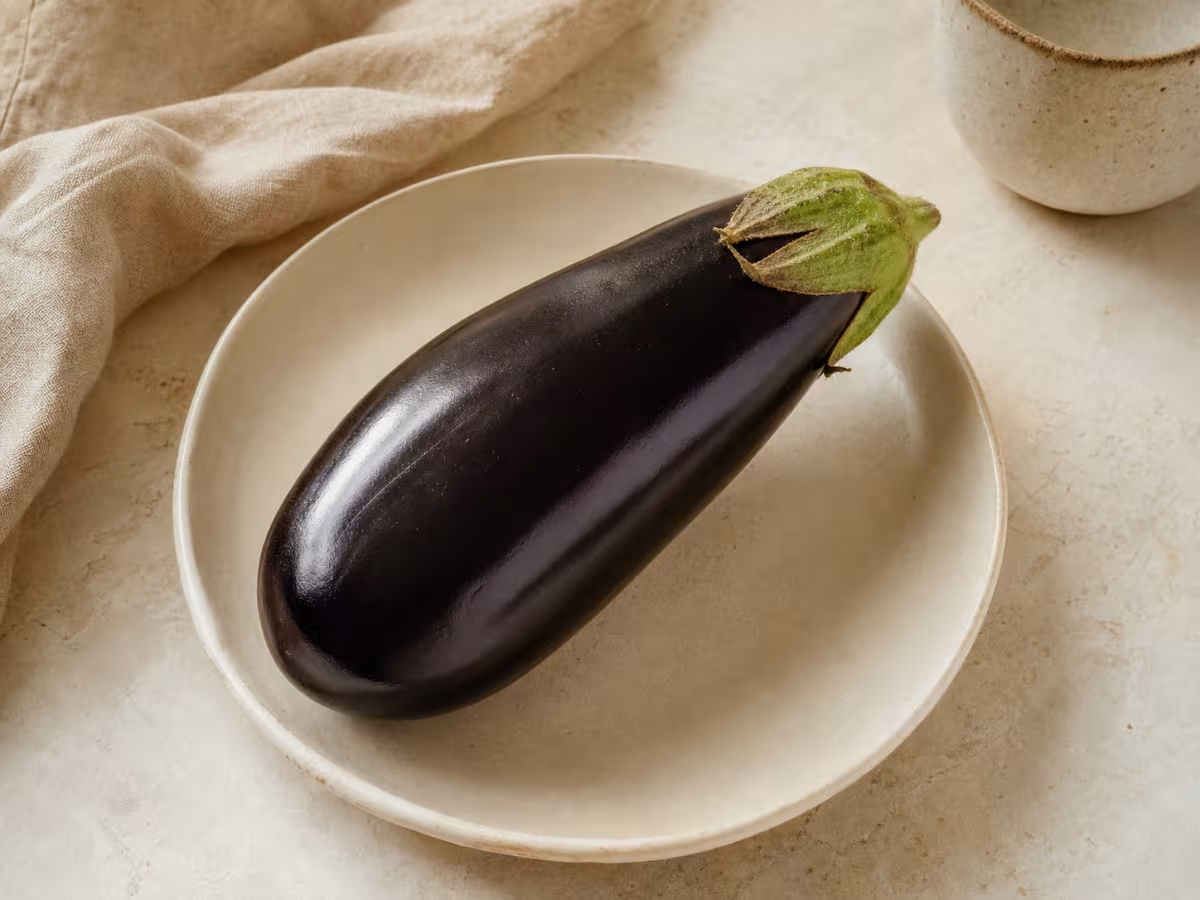
When buying aubergine, look for firm pieces of uniform colour, healthy skin and no bruises, deep wrinkles, mould or watery spots.
Store
Store whole and dry in the vegetable drawer; wash only just before using. Once cut, refrigerate well covered and consume within a few days.
Prepare
Wash, dry and remove the inedible parts. Uniform cutting improves cooking; it can be eaten raw if appropriate, roasted, fried, steamed or stewed.
How to make the most of it
Good pairings
Pairs well with olive oil, garlic, onion, tomatoes, cheese, eggs, cereals, pulses and fresh herbs.
How to substitute it
If you don't have aubergine, substitute with a similar-textured and moist vegetable, adjusting the cooking to avoid making the dish soggy or dry.
Recipes with aubergine

Hake en croûte with vegetables
Hake loins wrapped in crisp puff pastry with a well-reduced homemade vegetable filling.
View Recipe →Is any information missing? You can report a nutrition or practical correction.
Suggest a correction →