Baking powder
A chemical raising agent used to give cakes, muffins and quick breads a light, aerated crumb.
What it offers and why to use it
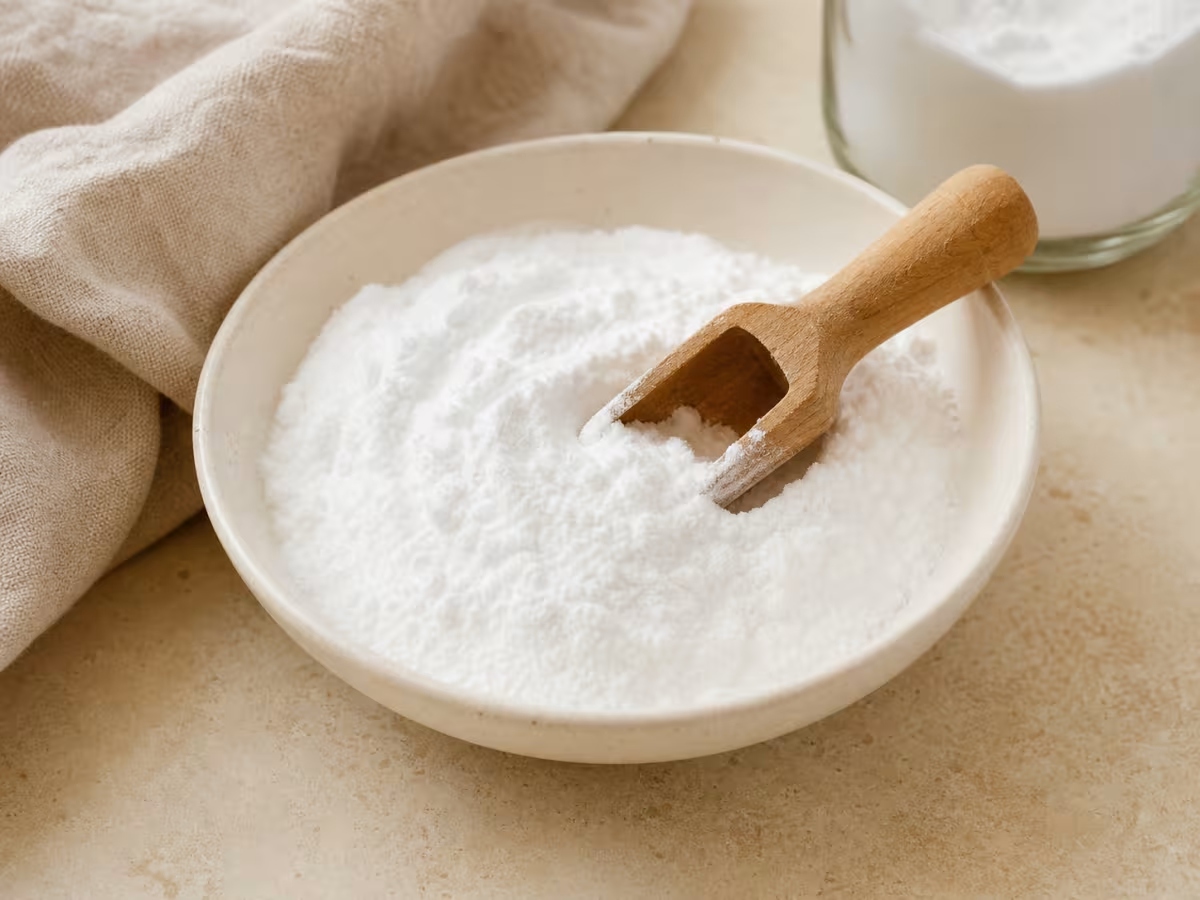
Baking powder is a chemical raising agent that releases carbon dioxide when moistened and heated, helping cakes, muffins and quick breads rise without fermentation.
Neutral when correctly measured; too much can leave a bitter or metallic aftertaste.
From shopping to cooking
Choose
Choose a sealed, in-date pack labelled baking powder, not baker’s yeast or bicarbonate of soda. Check whether the recipe requires a gluten-free product.
Store
Keep tightly sealed in a cool, dry cupboard. Moisture and age reduce its raising power.
Prepare
Mix evenly with the dry ingredients, measure accurately and bake the batter promptly once wet and dry ingredients are combined.
How to make the most of it
Good pairings
Used with flour, eggs, dairy or plant alternatives, sugar, cocoa, fruit and spices in baked goods.
How to substitute it
There is no universal one-for-one substitute. Bicarbonate of soda works only with enough acid and requires a recipe-specific conversion.
Recipes with baking powder
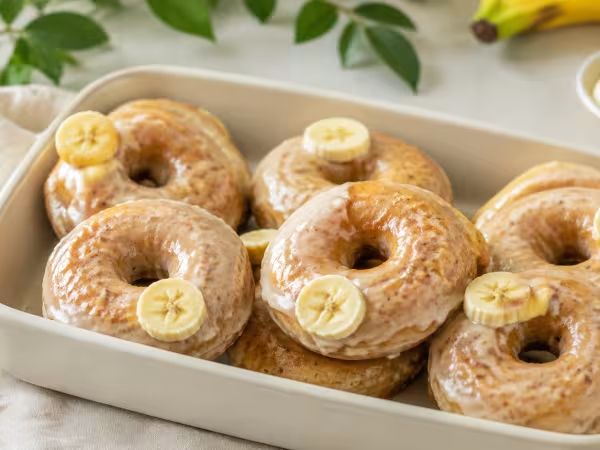
Air-fryer banana doughnuts
Tender banana and yoghurt doughnuts with no added sugar and a thin dark chocolate coating.
View Recipe →Is any information missing? You can report a nutrition or practical correction.
Suggest a correction →