Desalted cod cheeks
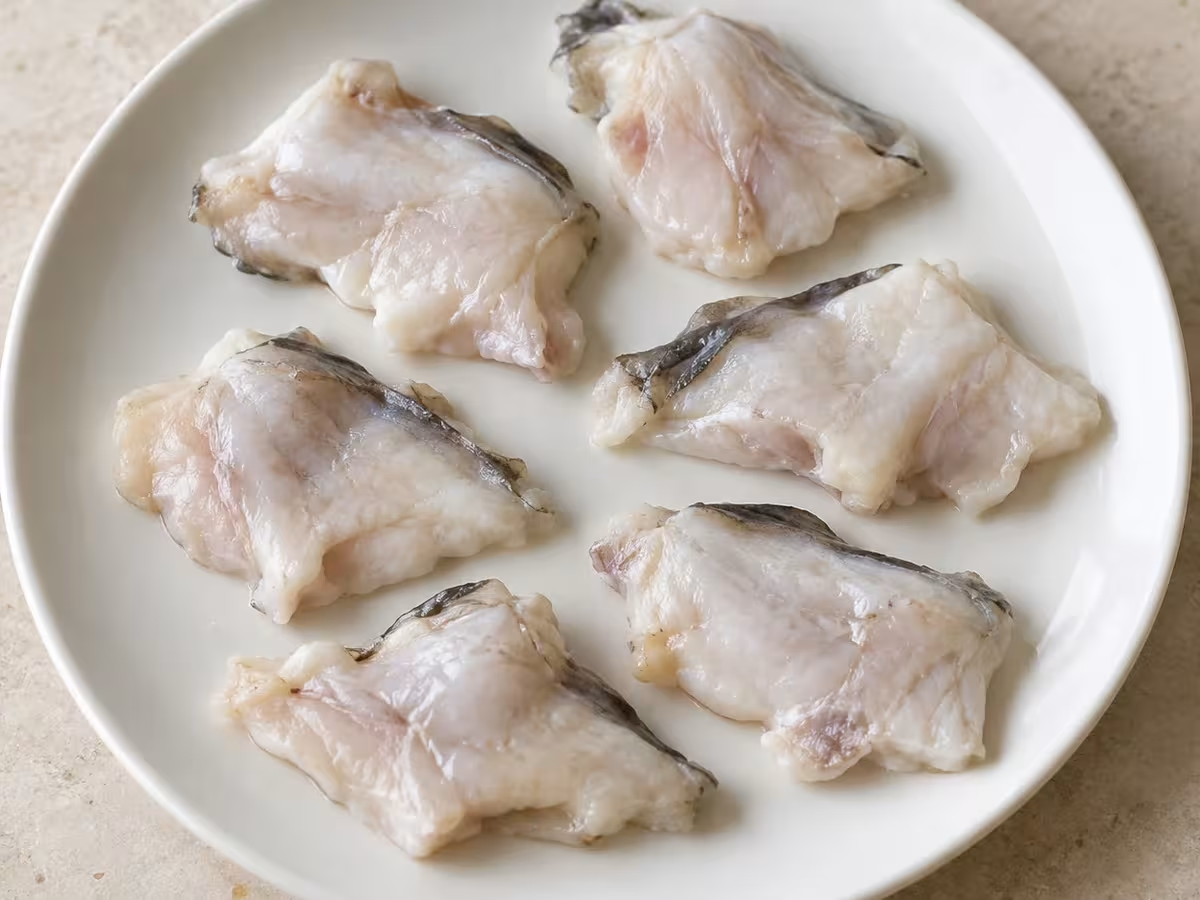
Small pieces from the underside of a cod’s head, known as kokotxas, prized for their gelatinous texture. They are used ready-desalted and provide protein with little fat.
What it offers and why to use it
Small pieces from the underside of a cod’s head, known as kokotxas, prized for their gelatinous texture. They are used ready-desalted and provide protein with little fat. Pat dry before coating or making a sauce. Cook to 63°C or until the flesh is no longer translucent, without unnecessarily prolonged cooking.
Small pieces from the underside of a cod’s head, known as kokotxas, prized for their gelatinous texture. They are used ready-desalted and provide protein with little fat.
From shopping to cooking
Choose
Choose pieces labelled desalted and ready to cook, moist and mild-smelling. Check for bones or tough edges.
Store
Keep refrigerated at 4°C or below and follow the use-by date. Desalted fish is not shelf-stable at room temperature.
Prepare
Pat dry before coating or making a sauce. Cook to 63°C or until the flesh is no longer translucent, without unnecessarily prolonged cooking.
How to make the most of it
Good pairings
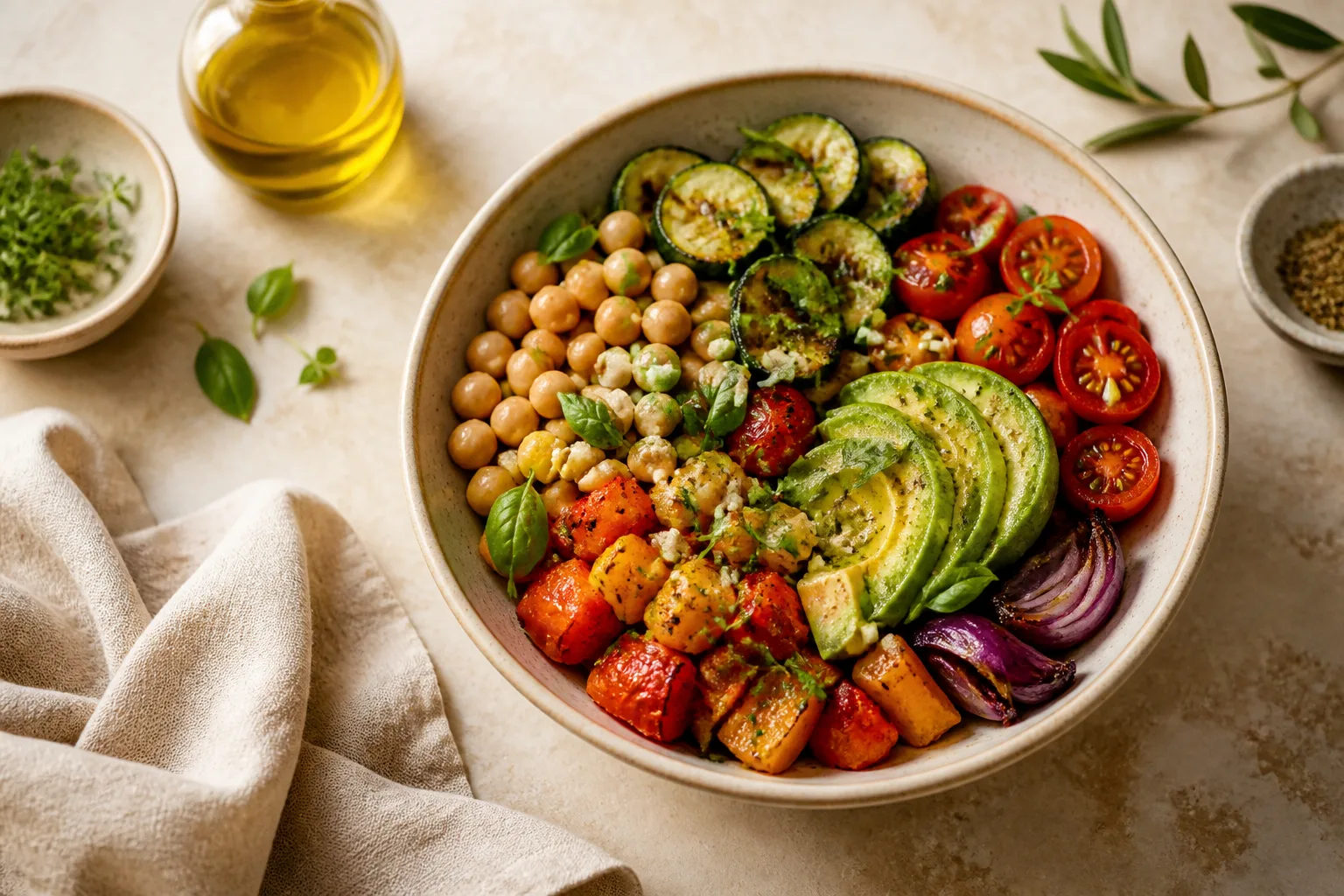
Pairs with pulses, garlic, parsley, tomatoes and olive oil.
How to substitute it
A substitute must account for texture, intensity and allergens; equal quantities are not always suitable.
Recipes with desalted cod cheeks
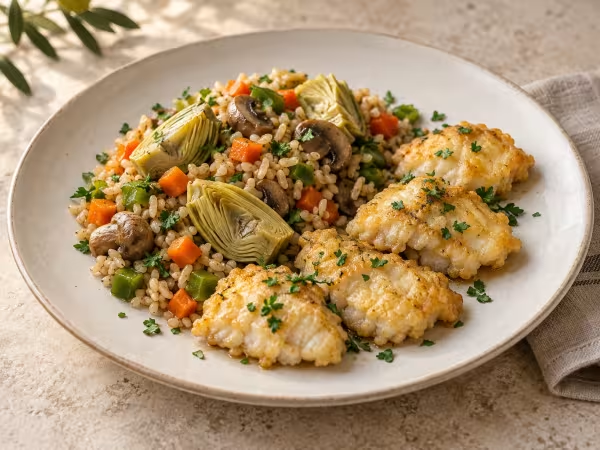
Brown rice with vegetables and egg-coated cod cheeks
Brown rice with vegetables and mild curry, served with golden egg-coated cod cheeks.
View Recipe →Is any information missing? You can report a nutrition or practical correction.
Suggest a correction →