Fresh bonito
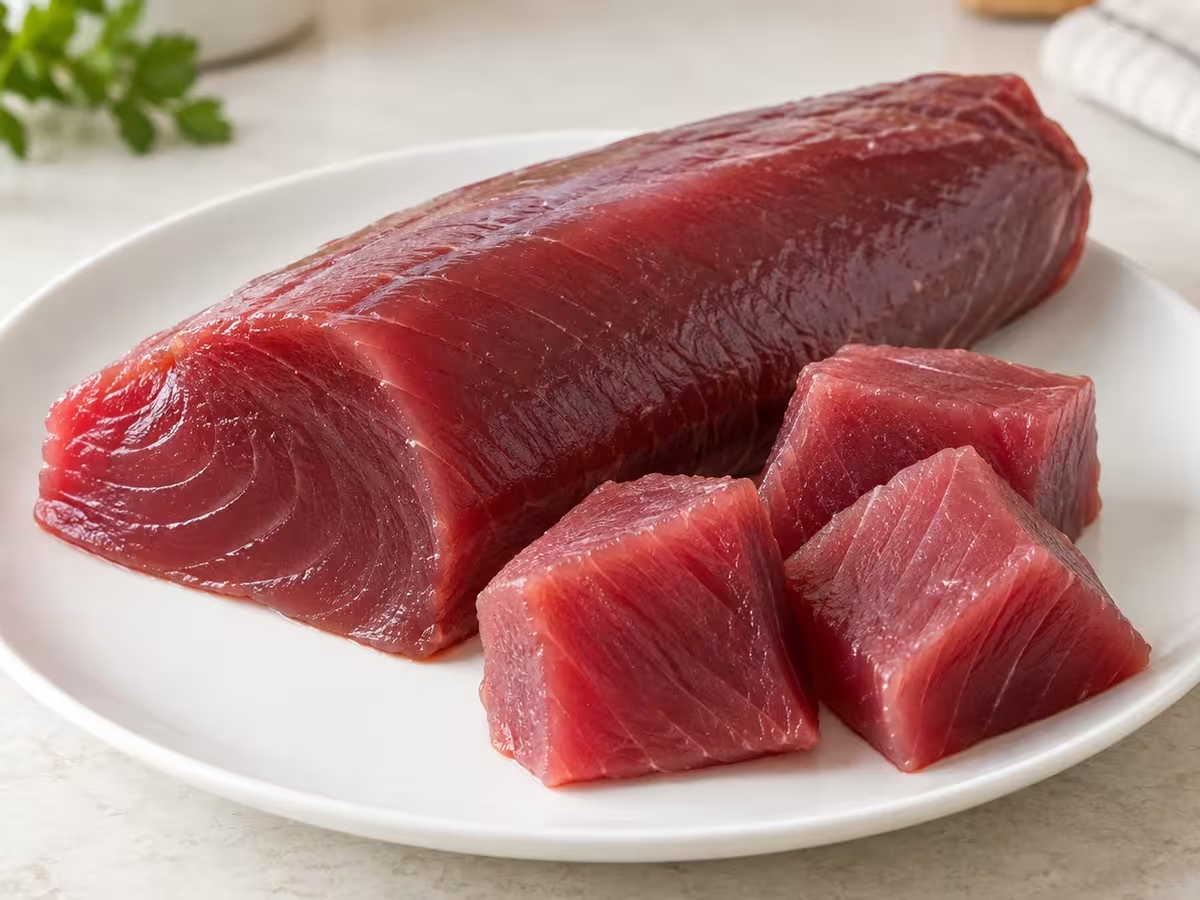
A firm-fleshed oily fish sold as loins, steaks or chunks. It is not the same as canned bonito, and fat content varies with species and season.
What it offers and why to use it
A firm-fleshed oily fish sold as loins, steaks or chunks. It is not the same as canned bonito, and fat content varies with species and season. Cut just before cooking and add to stews once the vegetables are tender. Check for 63°C at the centre and avoid continued boiling, which dries it out.
A firm-fleshed oily fish sold as loins, steaks or chunks. It is not the same as canned bonito, and fat content varies with species and season.
From shopping to cooking
Choose
Check the species on the label and ask for skinless, boneless flesh for fishballs or chunks. Choose firm, properly chilled pieces.
Store
Keep at 4°C or below, separate from ready-to-eat foods, and preferably cook on the day of purchase. Follow the label and thaw in the fridge.
Prepare
Cut just before cooking and add to stews once the vegetables are tender. Check for 63°C at the centre and avoid continued boiling, which dries it out.
How to make the most of it
Good pairings
Tomatoes, potatoes, slow-cooked onions, parsley and pickled green chillies.
How to substitute it
Fresh tuna of similar texture, checking species, consumption guidance and cooking time.
Recipes with fresh bonito
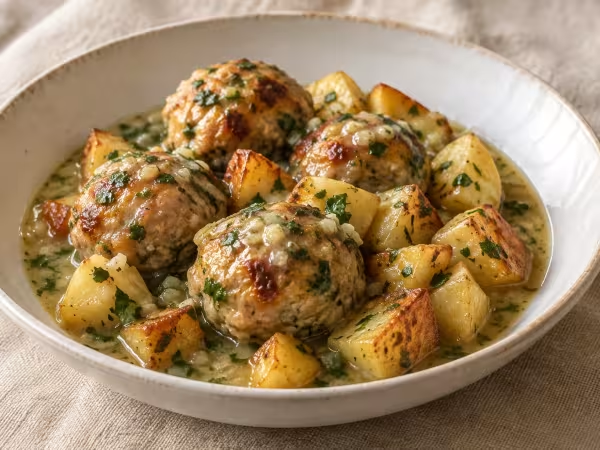
Bonito fishballs in parsley sauce with potatoes
Tender bonito fishballs with sun-dried tomato, parsley sauce and golden oven-roasted potatoes.
View Recipe →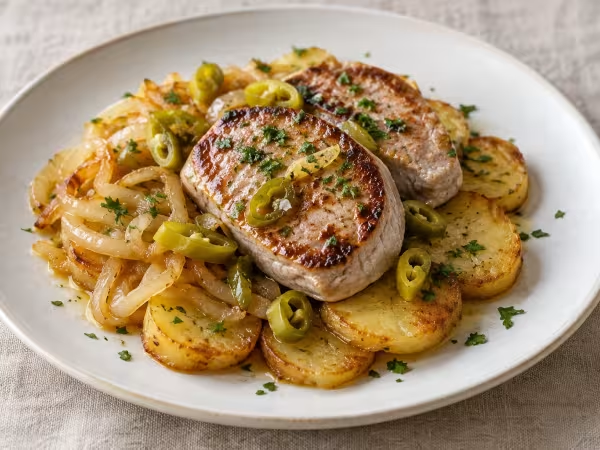
Bonito with potatoes, slow-cooked onions and pickled chillies
Pan-seared bonito with sweet onions, golden potatoes and tangy pickled green chillies.
View Recipe →Is any information missing? You can report a nutrition or practical correction.
Suggest a correction →