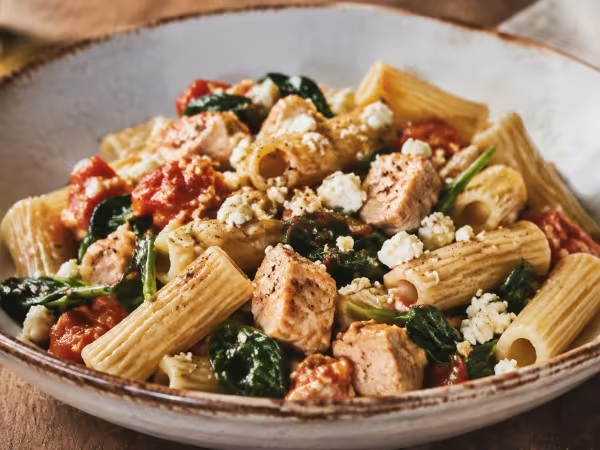
Rigatoni
Short Italian pasta, in a wide, ridged tube shape. Its grooves and cavity hold creamy or chunky sauces well. It should be cooked in plenty of salted water, and it's best to finish cooking it in the sauce to ensure it's well combined.

What it offers and why to use it
Short, tube-shaped Italian pasta with wide, ridged sides. The ridges and hollow centre hold creamy or chunky sauces well. Cook in a large pot of salted water and finish cooking in the sauce to ensure it's well combined. Taste before seasoning and adjust the rest of the recipe accordingly, taking into account its moisture, fat, salt or sweetness.
Profile defined by its recipe; it can concentrate salt, fat, acidity or sweetness.
From shopping to cooking
Choose
When buying rigatoni, check the ingredients, allergens, date, condition of the packaging, and storage conditions. Compare the salt and sugar content between different options.
Store
Follow the instructions carefully. Once opened or cooked, store properly in the refrigerator and consume within the specified time.
Prepare
Taste before seasoning and adjust the rest of the recipe to its moisture, fat, salt, or sweetness.
How to make the most of it
Good pairings
Combine according to your preferences with breads, vegetables, meats, fish, cheeses, pasta or snacks.
How to substitute it
Penne, paccheri or another ridged tubular pasta can be used; follow its own cooking time.
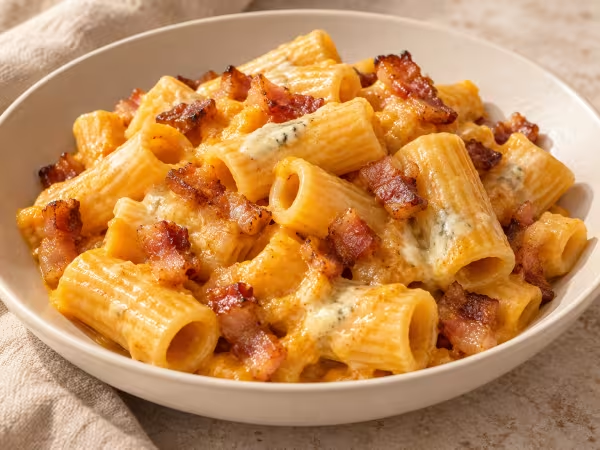
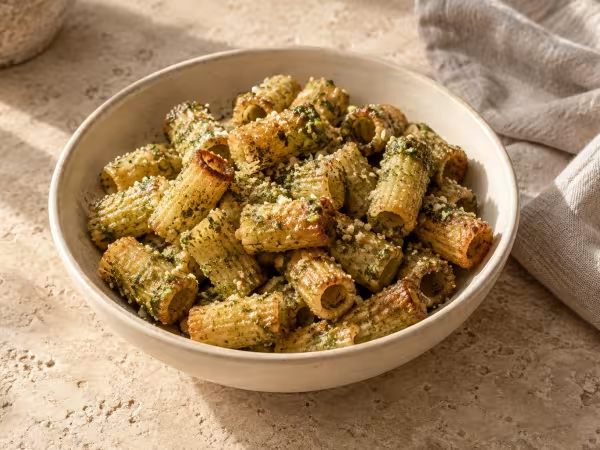
Recipes with rigatoni

Is any information missing? You can report a nutrition or practical correction.
Suggest a correction →