Egg
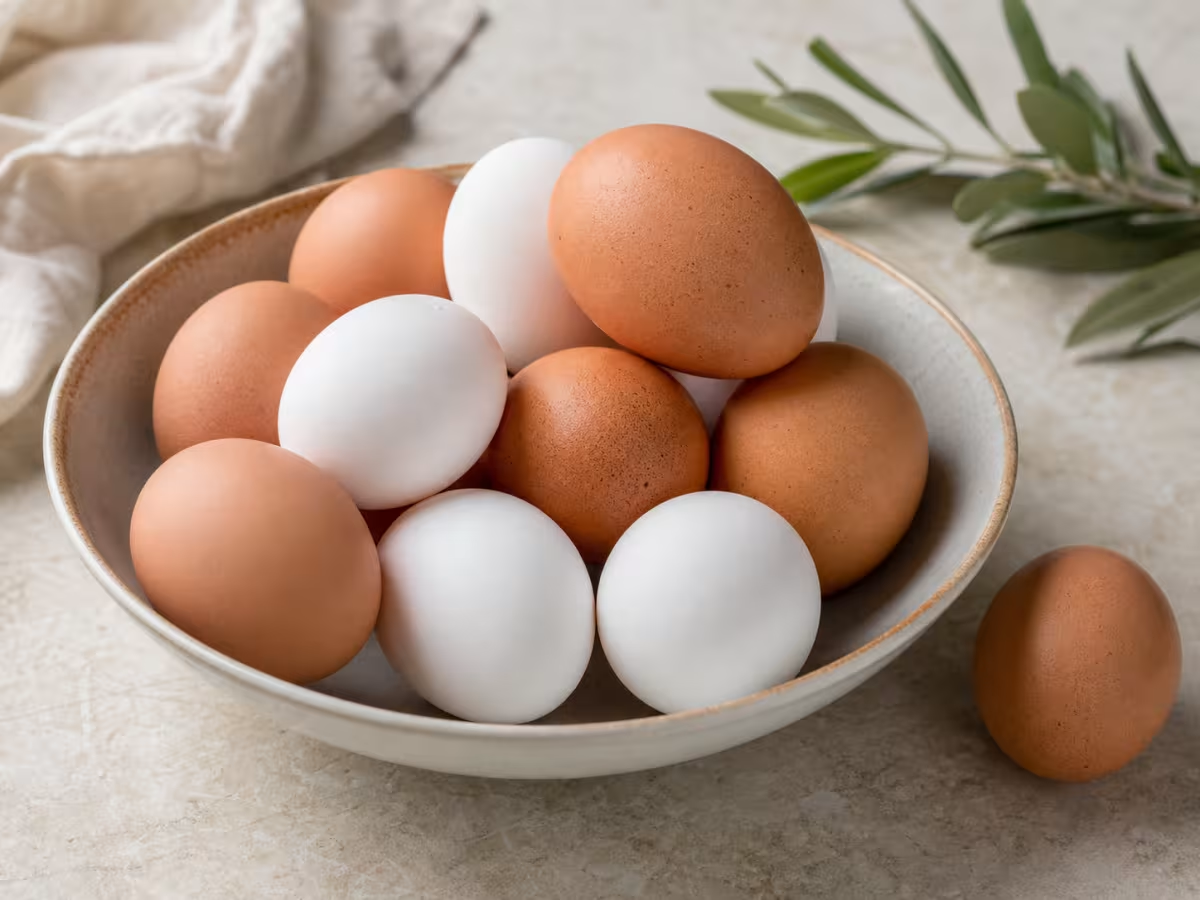
Egg: an ingredient capable of binding, emulsifying, aerating, thickening, and providing structure to both sweet and savoury dishes.
What it offers and why to use it
Egg: an ingredient capable of binding, emulsifying, aerating, thickening, and providing structure to both sweet and savoury dishes. Crack each egg separately and avoid the shell coming into contact with ready-to-eat foods. For recipes that don't require sufficient cooking, use pasteurised eggs or egg products.
Mild flavour and texture varies greatly depending on whether it is beaten, emulsified, or cooked.
From shopping to cooking
Choose
When buying eggs, choose eggs with a clean and intact shell and check the date and code. For egg products, check the packaging and the cold chain.
Store
Refrigerate in its packaging, avoiding temperature changes. Do not wash the shell before storing; separate whites and yolks should be used within 2–4 days.
Prepare
Crack each egg separately and avoid the shell coming into contact with ready-to-eat foods. For recipes that don't require sufficient cooking, use eggs or pasteurised egg products.
How to make the most of it
Good pairings
Pairs well with vegetables, potatoes, cheese, bread, meats, fish, chocolate, vanilla, and fruits.
How to substitute it
If you don't have eggs, the substitute depends on its function: binding, aerating, or emulsifying require different solutions and are not always interchangeable.
Recipes with egg



Is any information missing? You can report a nutrition or practical correction.
Suggest a correction →