Pumpkin
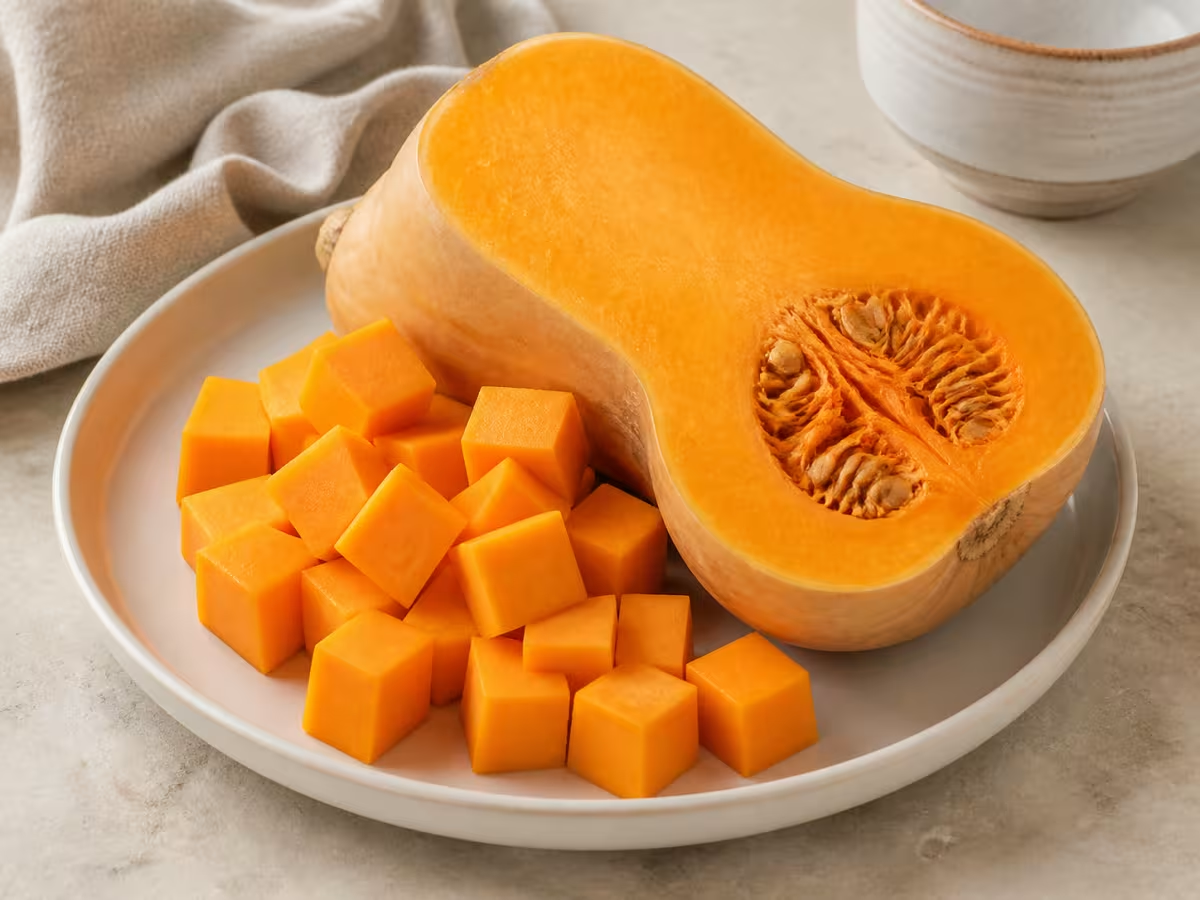
Sweet-fleshed pumpkin for soups, stews, roasting and baking. Variety and cooking method affect its moisture.
What it offers and why to use it
Whole, cut or frozen. Commercial availability: year-round depending on variety and storage. Winter squash is typically at its seasonal best in autumn and winter; timing varies by growing region.
flavour profile that changes with maturity and becomes sweeter and more concentrated when roasted or sautéed.
From shopping to cooking
Choose
Choose a firm pumpkin without soft patches. For purées and baking, choose a culinary variety such as butternut; decorative pumpkins can be watery.
Store
Keep whole winter squash in a cool, dry, ventilated place. Once cut, cover, refrigerate and use within 3–4 days.
Prepare
Wash the pumpkin and use a stable chopping board. Remove the stalk, seeds and stringy centre. For soup, peel and cut the flesh into even cubes; for roasting in halves, leave the skin on and scoop out the flesh afterwards.
How to make the most of it
Good pairings
Pairs well with olive oil, garlic, onion, tomatoes, cheese, eggs, cereals, pulses and fresh herbs.
How to substitute it
For soup, try carrot for sweetness or sweet potato for a thicker texture; add liquid gradually. For a roasted side, use sweet potato and check tenderness. For baking, use an adapted recipe: purée moisture changes the result.
Recipes with pumpkin
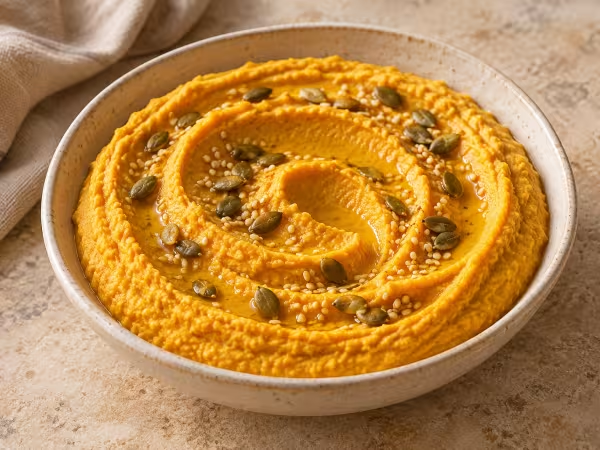
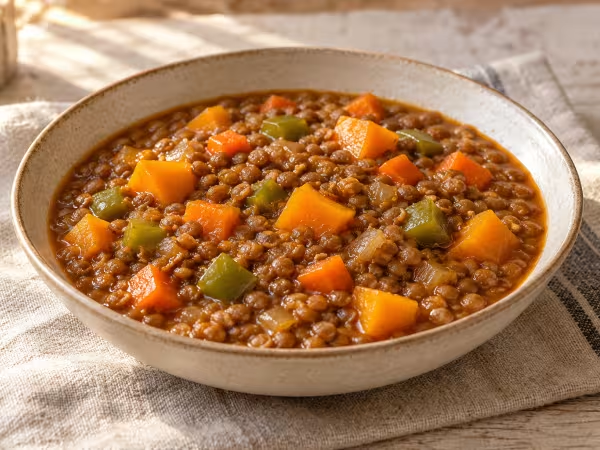
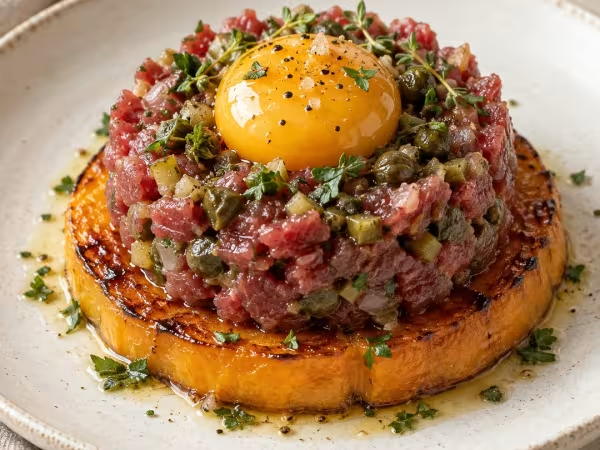
Is any information missing? You can report a nutrition or practical correction.
Suggest a correction →