Salt
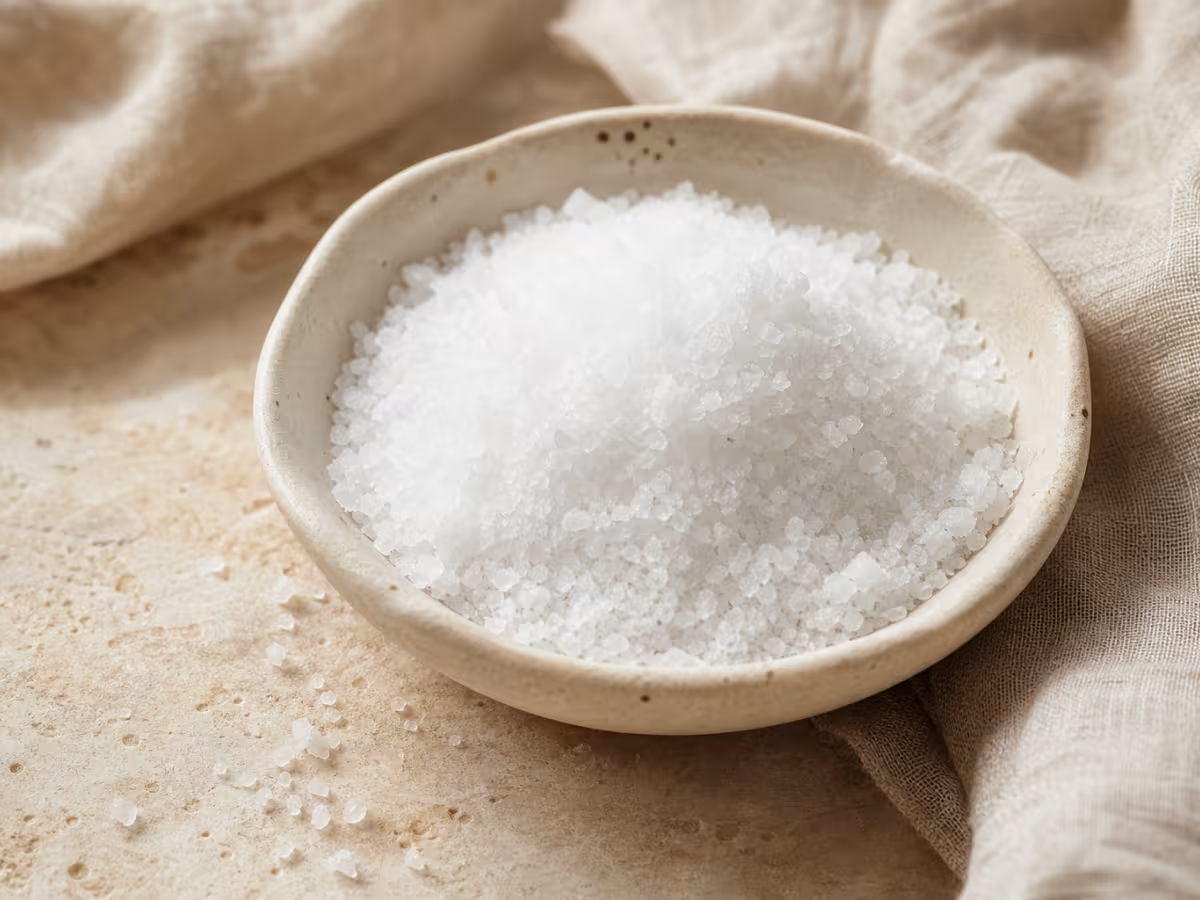
A mineral seasoning used to enhance flavour, season cooking water and support curing or preservation when a recipe is designed for it.
What it offers and why to use it
Salt: a concentrated seasoning that adds flavour, colour or intensity, and allows you to transform a dish with a small amount. Add gradually, starting with a small amount and increasing as needed. Briefly toasting or adding it to a fat will release the aromas, but avoid burning it, as this can make it bitter.
Concentrated aromatic profile that can be warm, spicy, sweet, earthy, or smoky.
From shopping to cooking
Choose
When buying salt, check that it retains its aroma and colour, that the packaging is dry and sealed, and that it does not show any clumping, insects or a stale odour.
Store
Store in a cool, dry, and dark place. Whole spices retain their aroma for longer than ground spices.
Prepare
Add in small amounts first, then gradually increase. Toast lightly or add to a hot fat to release its aroma, but avoid burning it, as this can make it bitter.
How to make the most of it
Good pairings
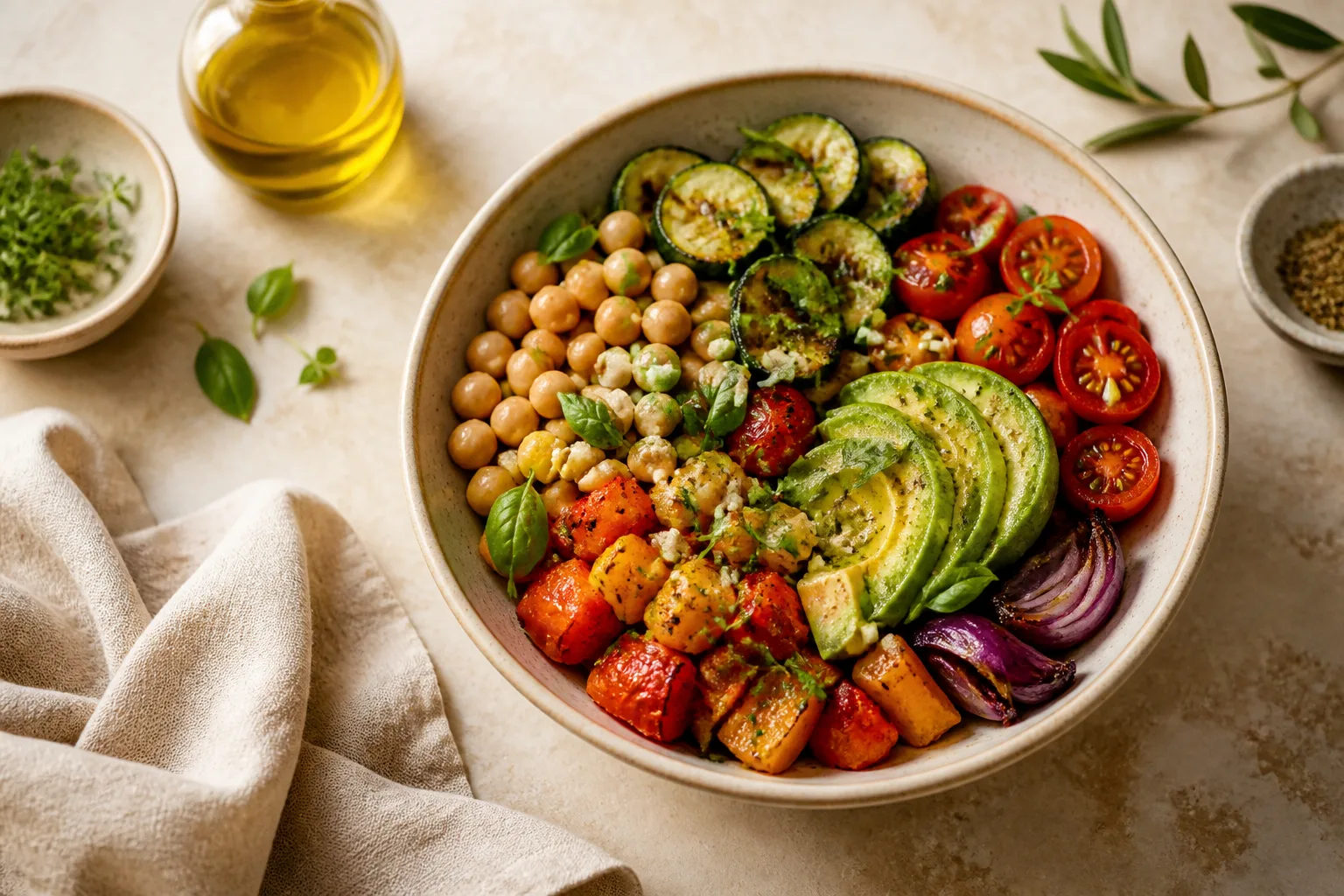
Pairs well with sauces, vegetables, legumes, rice dishes, meats, fish, and marinades.
How to substitute it
There is no exact substitute. To reduce salt, use less and build flavour with lemon, vinegar, herbs or spices; do not replace salt with a spice measure for measure.
Recipes with salt
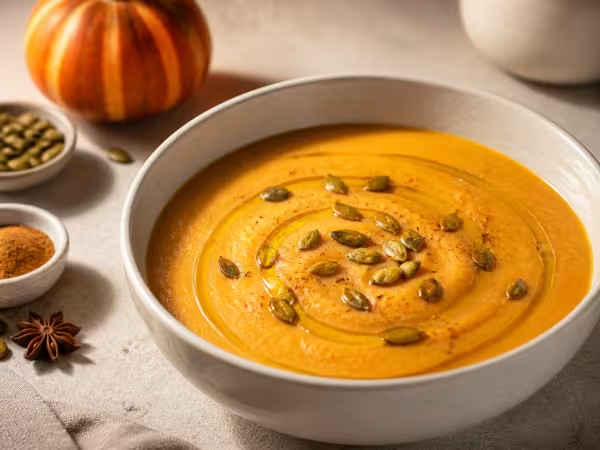
Spiced pumpkin soup
A smooth, warming vegan pumpkin soup scented with ginger, turmeric and cumin.
View Recipe →
Hake en croûte with vegetables
Hake loins wrapped in crisp puff pastry with a well-reduced homemade vegetable filling.
View Recipe →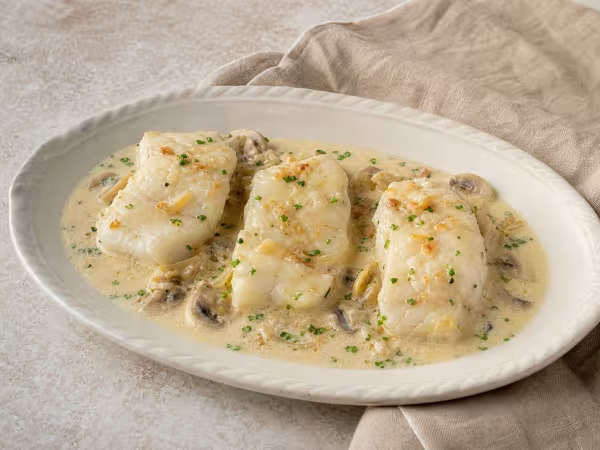
Hake in creamy cava sauce
Hake loins gently cooked in cava and cream, topped with sautéed mushrooms and lightly gratinated.
View Recipe →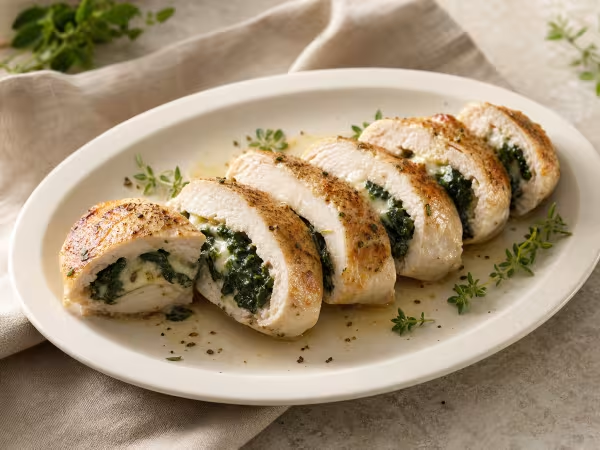
Spinach-stuffed chicken breasts
Chicken breasts filled with spinach, bacon and onion, served with a tangy apricot glaze.
View Recipe →Is any information missing? You can report a nutrition or practical correction.
Suggest a correction →