Spaghetti
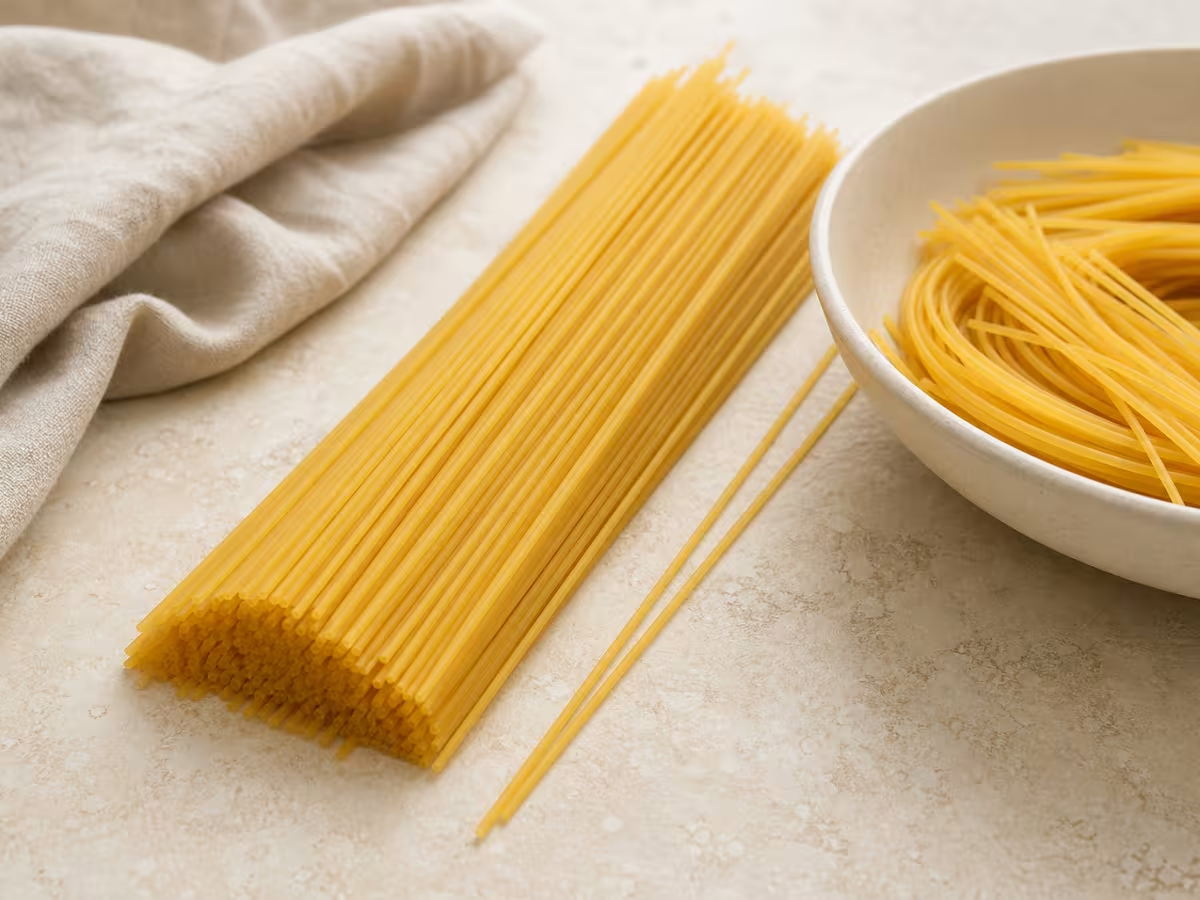
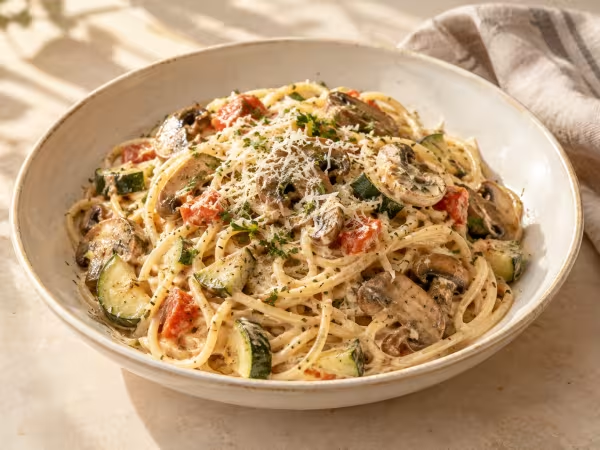
Long, thin pasta typically made with durum wheat semolina. Its surface allows it to hold emulsified sauces and pairs well with vegetables, cheeses, fish, and meat.
What it offers and why to use it
Long, thin pasta typically made with durum wheat semolina. Its surface allows it to hold emulsified sauces and pairs well with vegetables, cheeses, fish, and meat. Cook or hydrate according to the format and test before the indicated time. Reserve the cooking water, as it can help to bind the sauce.
Neutral flavour and firm or elastic texture when cooked al dente.
From shopping to cooking
Choose
When buying spaghetti, check the ingredients, format, and cooking time; for dried pasta, avoid packages with excessive moisture or damage.
Store
Dried pasta should be stored in a sealed container and kept dry. Cooked pasta should be refrigerated promptly in a closed container and consumed within 3–4 days.
Prepare
Cook or hydrate according to the format and test before the indicated time. Reserve the cooking water, as it can help to bind the sauce.
How to make the most of it
Good pairings
Pairs well with vegetables, tomatoes, cheeses, seafood, meat, oil, garlic, and herbs.
How to substitute it
If you don't have spaghetti, substitute with another type of pasta or noodle with a similar thickness and adjust the hydration; gluten-free versions behave differently.
Recipes with spaghetti
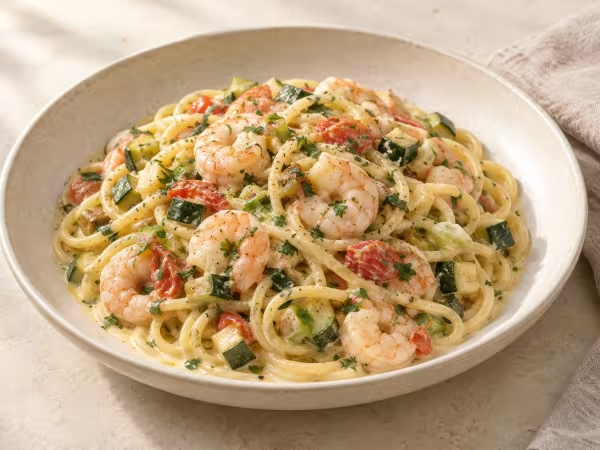
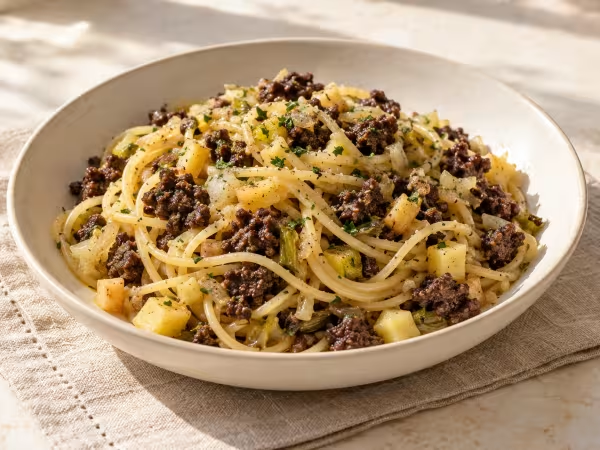
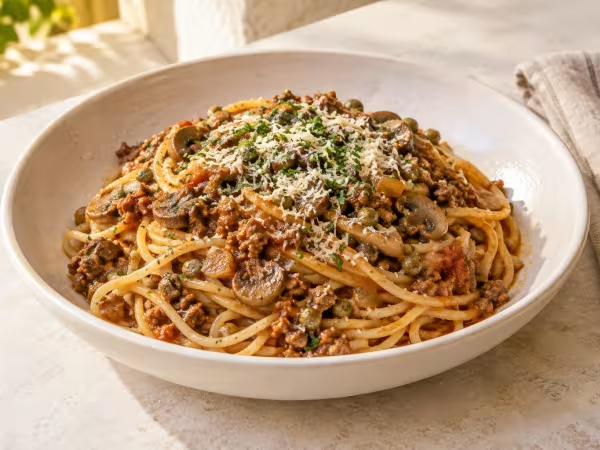
Is any information missing? You can report a nutrition or practical correction.
Suggest a correction →